
Basement Waterproofing in Surrey: Why It Matters More Than You Think
A basement that stays dry through a Surrey winter is not a given, it is the result of a system working the way it should.
Request a Free Estimate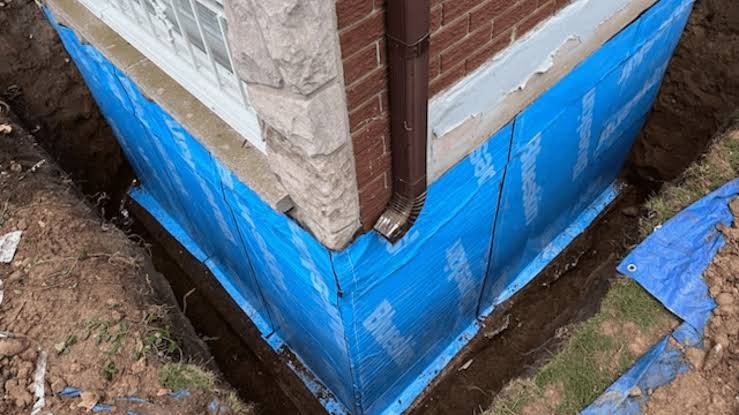
Basement waterproofing in Surrey is rarely on a homeowner's mind until water has already found its way in. For many families across Surrey and the wider Lower Mainland, by then what could have been a straightforward fix often turns into a much bigger repair involving mould remediation, structural assessment, and damaged flooring or drywall.
At Citified Planning & Construction Ltd, we see this pattern often enough that we think it is worth explaining clearly, why basements in this region are so prone to water problems, what causes it, and what actually needs to happen to keep a basement dry for the long term.
If your basement needs fixing, finding a reliable local contractor matters more than most homeowners expect. Surrey has plenty of options, but an established, licensed construction company in Surrey is the one accountable for the fix once the work is diagnosed.
Regional FactorsWhy Surrey Basements Are Especially Vulnerable
Surrey sits in a part of the Lower Mainland that gets a significant amount of rainfall, particularly through the fall and winter months, and that rainfall has been trending heavier in recent years. Drainage systems designed decades ago were not built with today's rainfall volumes in mind, and that gap shows up as water pressure building against foundation walls faster than older systems can handle.
Soil composition plays a role too. Much of the Lower Mainland sits on silty clay and glacial till, soil types that do not drain particularly well. When that soil stays saturated, it creates hydrostatic pressure against your foundation, and that pressure is what eventually pushes water through cracks, porous concrete, or the joint where your foundation wall meets the floor. This is closely related to the clay bowl effect we cover in our guide on foundation drainage in Surrey, which explains why the soil directly around a foundation tends to hold more water than the ground further out.
Older homes carry extra risk here. Aging weeping tiles, foundations that have shifted slightly over the decades, and drainage that was adequate when the home was built but has not kept pace with surrounding development all add up.
Root CausesWhat Actually Causes Basement Water Problems
Most of the basement water issues we come across trace back to one or more of the following.
Foundation cracks
Concrete shrinks and settles over time, and even a hairline crack is enough to let water through once hydrostatic pressure builds behind it.
Poor grading and drainage around the home
If the ground slopes toward your foundation instead of away from it, or your downspouts are dumping water right next to your walls, you are working against yourself no matter what else you fix.
Failing weeping tiles
These perimeter drains are designed to collect groundwater and move it away from your foundation. When they clog with silt or roots, or simply collapse with age, water has nowhere to go but toward your basement.
Window well issues
A window well that fills with water during heavy rain will eventually find its way through the window frame or the surrounding wall.
Sump pump failure
If your home relies on a sump pump and it fails during a storm, whether from a power outage or a mechanical issue, the results can be significant and fast.
Comparing MethodsExterior vs Interior Waterproofing
There are two general approaches to basement waterproofing, and the right one for your home depends on the specific problem you are dealing with.
Exterior waterproofing addresses the issue at the source. This typically means excavating down to the foundation footings, repairing any cracks in the wall, applying a waterproof membrane, and installing new perimeter drainage to carry water away before it ever reaches your basement. It is more involved, but it stops water before it becomes your problem.
Interior waterproofing manages water that has already made it inside. This can include interior perimeter drainage that channels water to a sump pump, crack injection to seal minor foundation cracks from the inside, and vapour barriers to control ongoing moisture and condensation.
In many cases, especially with older homes in Surrey, a combination of both approaches gives the most reliable protection.
Signs You Should Not Ignore
A few warning signs tend to show up before a basement problem becomes a serious one, and catching them early makes a real difference in cost and disruption.
- Damp or musty smells in the basement, even without visible water
- Efflorescence, the white powdery mineral deposits left behind on concrete after water evaporates
- Water stains or discolouration on basement walls
- Visible mould or mildew
- A sump pump that seems to be running constantly, even during dry stretches
- Cracking or bowing in foundation walls
Any one of these on its own is worth a second look. A combination of a few is usually a sign that the underlying drainage or foundation issue needs professional attention rather than a surface level patch.
Return on InvestmentWhy Waterproofing Is Worth the Investment
Beyond preventing the obvious damage, a properly waterproofed basement protects the structural integrity of your home, keeps indoor air quality healthy by preventing mould growth, and opens up the basement as usable living space rather than a damp area you avoid. It also holds up well at resale, buyers notice a dry, well maintained basement, and it is one less item for a home inspection to flag.
Our ApproachHow Citified Approaches Basement Waterproofing
We have been serving Surrey and the Lower Mainland since 2017, and basement waterproofing is one of the areas where getting the diagnosis right matters just as much as the fix itself. We start by identifying where the water is actually coming from, whether that is grading, failing weeping tiles, foundation cracks, or a combination, before recommending a solution. That way you are not paying to patch a symptom while the actual cause keeps working against you.
This sits alongside the full range of construction and renovation services we provide, and where waterproofing work leads into repairs on drywall, flooring, or finishing, our team can carry that through as general renovation and finishing work rather than handing the project off. If the foundation itself needs a closer look, particularly on a new build or major addition, our guide to foundation drainage in Surrey covers the clay bowl effect, hydrostatic pressure, and when the City requires a pumped system. You can also read more about our team and how we approach every project.
Common QuestionsBasement Waterproofing FAQs
Common warning signs include musty smells, white powdery mineral deposits on concrete known as efflorescence, water stains on basement walls, visible mould, a sump pump that runs constantly even during dry weather, and cracking or bowing in foundation walls.
It depends on the source of the problem. Exterior waterproofing stops water before it reaches your foundation and is the more thorough fix, while interior waterproofing manages water that has already entered. Many Surrey homes benefit from a combination of both, especially older properties.
Surrey sees significant rainfall through fall and winter, and local soil types such as silty clay and glacial till do not drain quickly. This combination creates hydrostatic pressure against foundations, which is why reliable drainage and waterproofing matter more here than in drier regions.
Have it assessed before deciding on a fix. Minor, non structural cracks can sometimes be sealed, but larger or active cracks that are letting water through usually need a proper evaluation to identify the cause, such as crack injection or a more involved foundation repair.
Yes. A dry, well maintained basement protects the structure, avoids mould issues, and adds usable living space. It is also something buyers and home inspectors notice, which makes it a worthwhile investment ahead of resale.
Dealing With a Wet Basement or Planning Ahead?
If your basement has shown any of the signs above, or you would rather deal with it proactively before the rainy season hits, get in touch with Citified Planning & Construction Ltd for an assessment.