
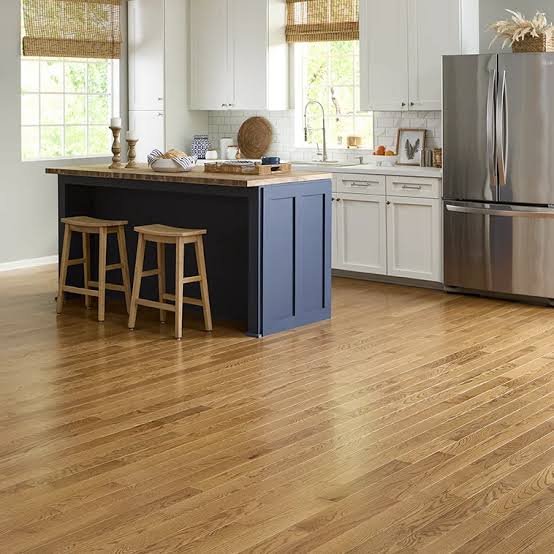
Solid Hardwood Flooring
Best suited to main floor living areas with a stable indoor climate. Refinishable multiple times, but the most reactive to humidity of any option here.
Most people pick flooring by colour and finish first. For flooring in Surrey, BC, that's the wrong place to start. What's underneath the floor, and how well the material suits our damp coastal weather, matters a lot more than the brand on the box.
Homeowners tend to shop for flooring the way they'd shop for paint, by colour and finish first. But whether a floor is still flat and quiet five years from now has almost nothing to do with the surface layer. It comes down to what's underneath it, and whether the material was matched to the room it's going into.
A subfloor with hidden moisture, a soft spot, or an uneven patch will show through almost any flooring type eventually: a squeak, a hollow feel underfoot, a section that starts to lift. Catching that before installation instead of after is the difference between a floor that needs work in year one and one that's fine for a decade.
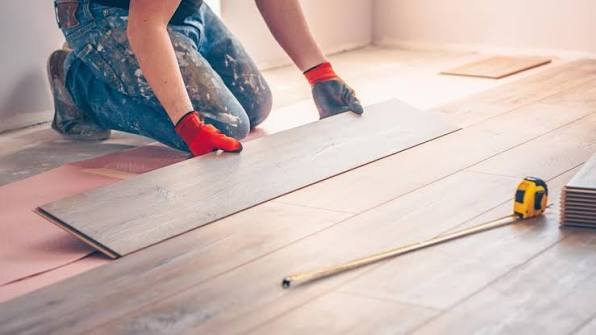
From the first subfloor check to the final transition strip, we handle the work underneath and the finished floor on top. Professional flooring services in Surrey cover residential flooring installation and repair, including every item listed here.
Surrey's weather is coastal and temperate: mild but damp winters, more humid summers than most people expect from the Pacific Northwest, and moisture in the air that rarely drops to a genuinely dry level at any point in the year. Tile and vinyl don't care. Solid wood flooring does, a lot.
Wood pulls moisture out of the air and releases it back as conditions change, so boards physically get slightly larger and smaller through the year. A floor installed with the right acclimatisation period and the right expansion gap around the perimeter absorbs that movement without you noticing. A floor installed without those steps shows it instead: a gap that opens every winter, a board that cups every summer.
That's also why we won't just talk a homeowner into solid hardwood because it's what they walked in asking for. In a basement, a room with radiant heat, or a space with less climate control, engineered hardwood or a well made vinyl plank product usually holds up better over time than solid wood, even though solid wood often costs more upfront.
Best suited to main floor living areas with a stable indoor climate. Refinishable multiple times, but the most reactive to humidity of any option here.
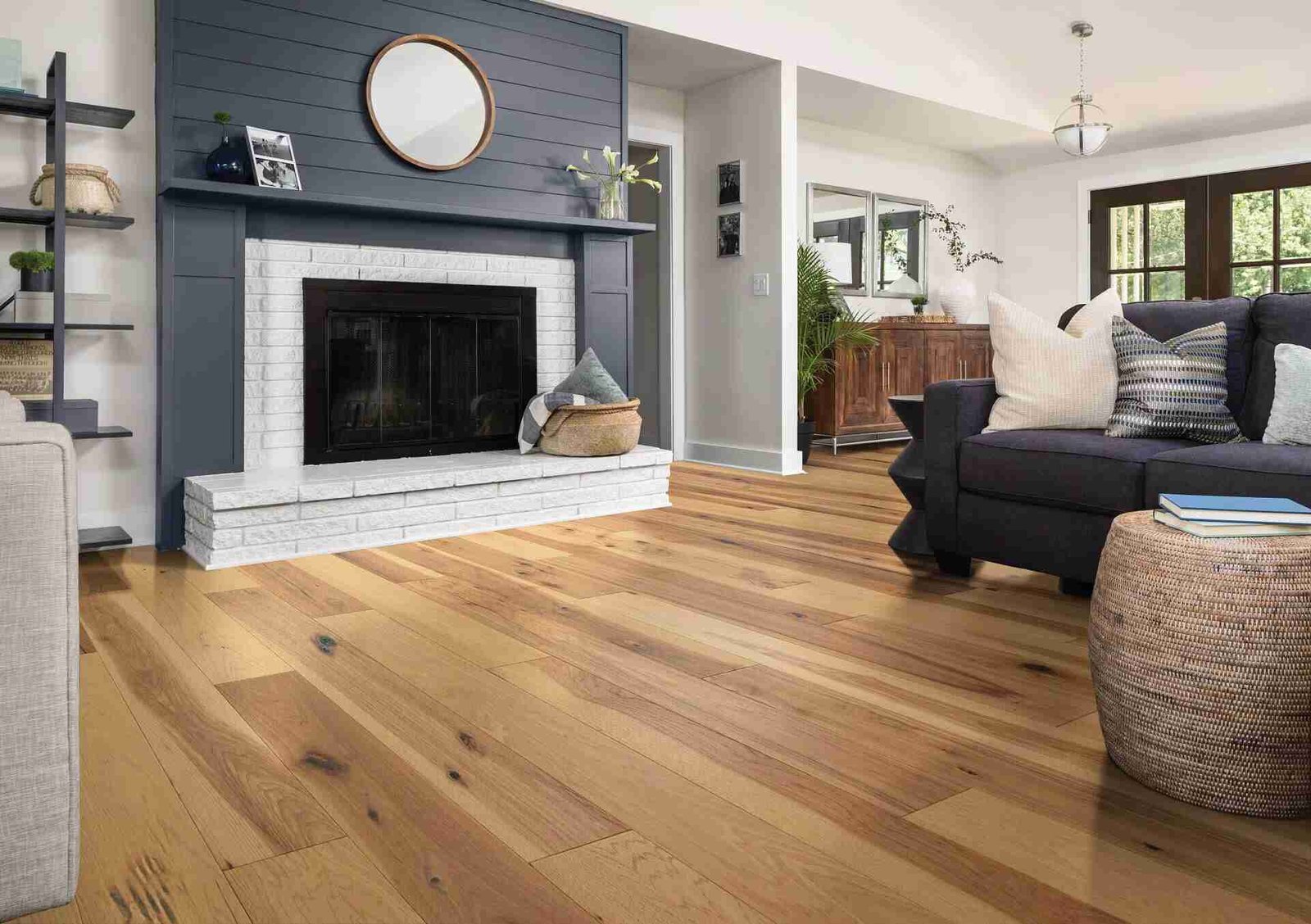
Engineered hardwood floors pair a real hardwood surface with a more stable core. A common choice for basements and homes with radiant floor heating.
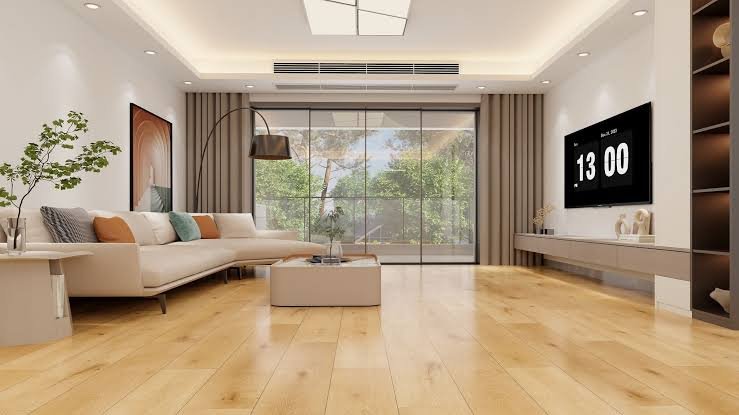
A practical, budget friendly option for busy living areas, rentals, and active households. Waterproof laminate flooring adds protection against spills.
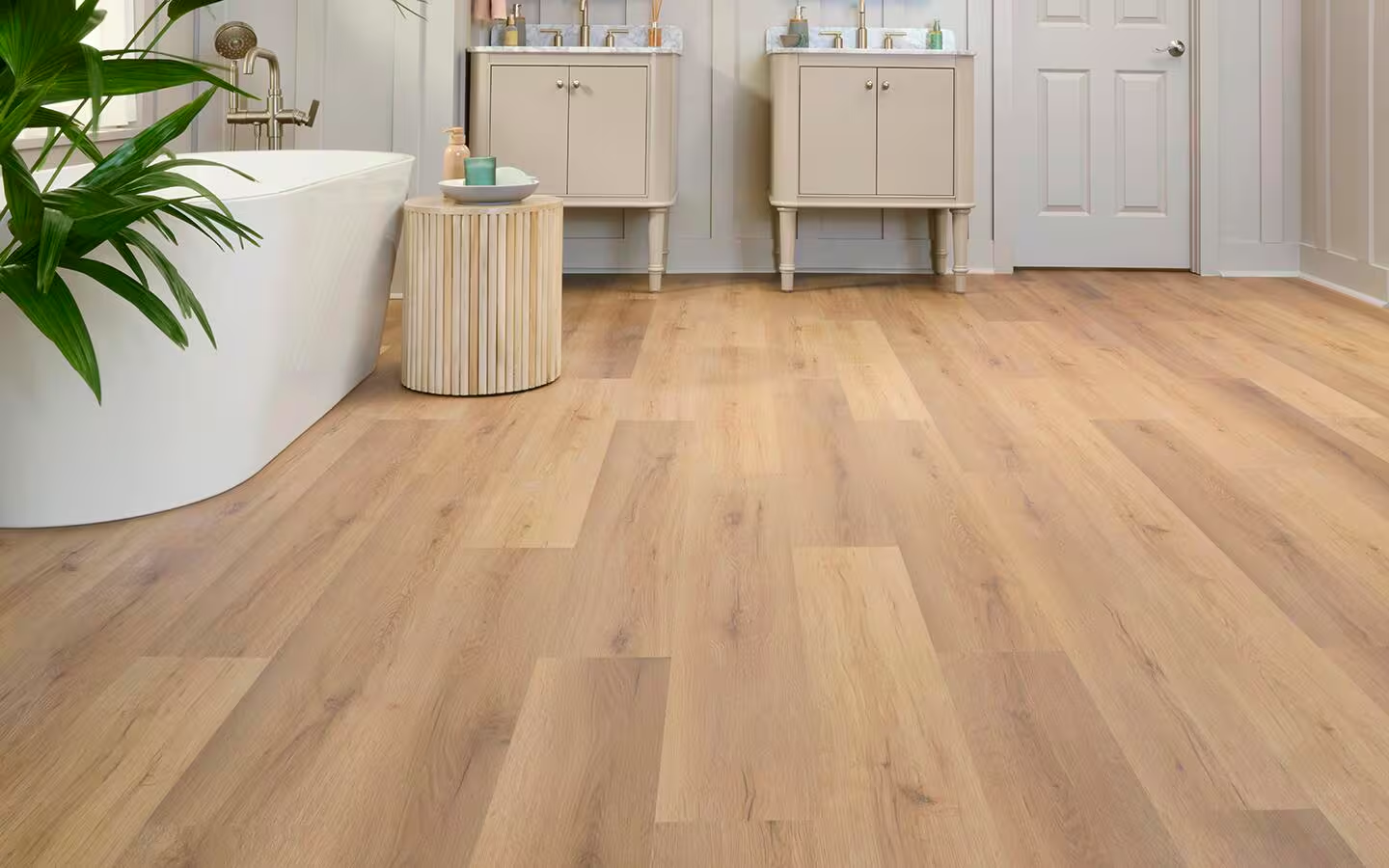
Fully waterproof and low maintenance, the go to for kitchens, bathrooms, and below grade spaces.
This is the choice most Surrey homeowners are really weighing. Both give you a real wood surface, but they behave differently once humidity, heating, and the room itself come into play.
| Feature | Solid Hardwood | Engineered Hardwood |
|---|---|---|
| Construction | Solid wood from top to bottom | Real hardwood surface bonded to a layered core |
| Reaction to humidity | Most reactive, expands and shrinks with the seasons | More stable, resists humidity related movement |
| Refinishing | Can be sanded and refinished several times | Fewer refinishes, depending on the thickness of the wood surface |
| Basements | Generally not recommended | Suitable with proper moisture prep |
| Radiant floor heating | Needs careful selection and installation | A common choice |
| Best suited to | Main floor living areas with stable indoor conditions | Basements, condos, and homes with radiant heat |
If water is your main concern, start with waterproof flooring. Vinyl plank flooring in Surrey is fully waterproof, which is why it's the usual pick for kitchens, bathrooms, laundry rooms, and basements. Waterproof vinyl plank flooring also handles our humid summers without swelling or cupping.
Waterproof laminate flooring is the budget friendly alternative. Its core and sealed edges resist spills far better than standard laminate, but standing water left for long can still damage it. That makes it a better fit for kitchens and entryways than for a bathroom or a damp basement.
For wet rooms, vinyl plank is usually the safest choice because the plank itself doesn't absorb water. In a kitchen that sees heavy daily use, waterproof laminate flooring also works well if the budget is tight, as long as spills are wiped up promptly and the edges stay sealed.
Basement flooring has to cope with moisture coming up through the slab, cooler surface temperatures, and less airflow than the rest of the house. That's why the best flooring for a basement is rarely solid hardwood.
Good options are engineered hardwood, waterproof laminate flooring, and vinyl plank flooring, each installed over a proper moisture barrier and underlayment. Before anything goes down, the slab should be tested for moisture and checked for flatness. If you see damp patches, white mineral deposits on the concrete, or a musty smell, the source of the moisture needs to be fixed first.
Not sure which option fits your rooms, your budget, and how your home behaves through the seasons? We'll walk the space with you and give you a straight answer.
Book a Free Assessment at Your HomeMoisture readings, a flatness check, and a look for structural issues before any material is recommended.
Repairs, levelling compound, or a moisture barrier and underlayment, depending on what the subfloor needs.
Hardwood and laminate sit in the home for at least 48 hours so the material settles before it's locked in place.
Floating, glue down, or nail down as the material and room require, followed by trim, transitions, and a walkthrough.
If you're planning a main floor renovation in Surrey, flooring needs to fit into the order of work. It usually goes in after drywall repairs and the heavier trades are finished, and before the final trim and baseboards, so the new floor isn't scratched or stained by other work.
Deciding on the flooring early also helps with other choices. The material and thickness you pick affect transitions between rooms, door clearances, and how the finished floor height meets the rooms next to it.
Laminate and vinyl plank sit at the more affordable end per square foot, engineered hardwood lands in the middle, and solid hardwood, particularly wider planks or premium species, sits at the top. Whatever the subfloor needs, whether that's repairs, a moisture barrier, or acoustic underlayment for a strata unit, adds to the total. It's not an add on you can skip; it's usually what stops you from getting a callback a year later.
We don't give flooring quotes over the phone, because too much of the real cost depends on what's happening under the current floor, not just the square footage. An in home look gets you a number you can actually rely on.
Residential flooring installation and repair across Surrey, BC and the wider Lower Mainland.
It depends on the wood species, subfloor condition, room size, and whether the old flooring needs to come out first. Engineered hardwood generally costs less than solid hardwood of the same grade, so an in home look at your space is the most reliable way to get an accurate number.
Engineered hardwood, quality laminate, and vinyl plank tend to hold up better than solid hardwood in a coastal, damp climate like Surrey's. Their layered or synthetic makeup resists the swelling and shrinking that humidity swings cause in solid wood. For the most moisture protection, waterproof flooring such as vinyl plank is the safest bet.
Generally, yes. Basements sit below grade where moisture is harder to control, and solid hardwood is the most sensitive flooring type to that. Engineered hardwood, waterproof laminate, or vinyl plank are safer choices for a below grade space. If the basement shows signs of damp, foundation waterproofing comes before any new floor.
Vinyl plank flooring is usually the safest pick for a basement because it is fully waterproof. Engineered hardwood and waterproof laminate flooring also work when the slab has been tested for moisture and a proper moisture barrier and underlayment go down first.
A single room usually wraps up in one to two days once the material has had time to acclimatise. A whole home job typically runs three to seven days, depending on square footage, how much old flooring has to come out, and the condition of the subfloor underneath.
It depends on the condition of what's there. If the existing hard surface floor is flat, stable, and free of damage, some products can go over it. If there's damage, unevenness, or moisture concerns, or you're switching flooring types entirely, removing it first is usually the safer route.
Wood pulls in moisture and lets it out as the humidity around it changes through the seasons. Drier winter air shrinks the boards slightly, opening small gaps; more humid summer air swells them again, closing those gaps. It's normal movement, and proper acclimatisation and expansion gaps at install time keep it from turning into a real problem.
Not really, it's a different tradeoff. Engineered hardwood has a genuine hardwood surface bonded to a stable core, so it resists humidity related movement better than solid wood, though it usually can't be sanded and refinished as many times over its life. In a basement or a home with radiant floor heating, that tradeoff usually works in its favour.
Standard laminate is not waterproof, and standing water can swell the core. Waterproof laminate flooring has a more water resistant core and sealed edges, which handles spills much better, but it is still not meant for constant moisture. For bathrooms and damp basements, vinyl plank is the safer choice.
Yes. Waterproof vinyl plank flooring does not absorb water, which is why it is a go to for kitchens, bathrooms, laundry rooms, and basements. Water can still get under the planks through gaps at the edges or from a leak, so the subfloor and the seams still matter.
For wet rooms, vinyl plank is usually the best choice because the plank does not absorb water. Waterproof laminate flooring can work in a kitchen on a tighter budget, as long as spills are wiped up quickly. Solid hardwood is generally a poor fit for bathrooms.
Many do. It's common for strata corporations to require a minimum acoustic rating for hard flooring, and some specify glue down installation over floating floors for sound transmission reasons. Checking your strata's bylaws before buying material can save a return trip and a change order later. Our strata renovation team works with these rules regularly.
A floating floor's planks lock together and sit on top of underlayment without being attached to the subfloor underneath, which makes it quicker to install and easier to pull up later. A glue down floor is bonded directly to the subfloor, which usually gives better sound and stability performance, one reason strata buildings often require it.
Soft or bouncy spots underfoot, visible moisture staining, noticeable unevenness, or squeaking are all signs the subfloor needs attention before new material goes down. A proper assessment checks both moisture content and flatness with the right tools rather than relying on a visual look alone.
Tell us about the room, the material you're leaning toward, and we'll tell you honestly whether it's the right fit.