
Experience With Similar Work
Ask whether they have completed projects with a similar scope. Reviewing previous renovation projects can also help you see whether their experience matches the type of work you are planning.
Finding the right renovation contractors in the Lower Mainland means looking past the first quote you receive. Kitchens, bathrooms, basements, and larger home updates all call for different skills, so the contractor who fits one project is not always the right fit for another.
This guide walks through how to plan your project, evaluate experience, read a quote properly, and ask the right questions before you commit to anyone.
Request a Free EstimateBefore contacting anyone, make a simple list of the work you want completed. You do not need a full construction plan, but having a clear idea of the project makes it much easier to explain what you need and to receive estimates that actually reflect the work involved.
This might be a kitchen renovation, a bathroom remodel, basement finishing, or work involving different parts of the home. If the project includes replacing existing floors, you may need professional flooring installation, while wall and ceiling work may involve drywall finishing. Think about what you want to change, what you want to keep, your preferred finishes, and your approximate budget. If you are working with a deadline, mention it early so a contractor can tell you honestly whether it is realistic.
Once you know what you want to renovate, look for contractors who regularly handle similar work across the Lower Mainland. A contractor who is comfortable with small cosmetic updates may approach a major renovation quite differently from one who regularly coordinates larger, multi room projects.
Ask what types of renovations they usually complete, whether they coordinate different trades, who manages the project day to day, and how they communicate with homeowners while work is underway. For a larger renovation, you are not just hiring someone to complete individual tasks. You are choosing the person responsible for keeping the whole project organized.
Ask whether they have completed projects with a similar scope. Reviewing previous renovation projects can also help you see whether their experience matches the type of work you are planning.
You should know who to contact with questions and how project updates will be shared, which matters most once decisions need to be made partway through construction.
The proposal should state plainly what work is included. This helps you understand what you are paying for and makes it far easier to compare estimates side by side.
Ask when the project could start and how long the main stages are expected to take. The exact schedule may shift, but you should still have a reasonable starting plan.
A renovation quote should give you a clear picture of the work and the costs involved. Depending on the project, this can include demolition, preparation, labour, materials, installation, finishing, and cleanup.
Do not assume two quotes are directly comparable just because they cover the same renovation. One contractor may include removal and disposal of existing materials while another does not, and one quote may list certain finishing work separately. Check whether each quote covers the same basic scope before comparing the numbers themselves.
Wall and ceiling preparation can involve repairing damaged surfaces, taping joints, applying compound, and preparing the finished surface for paint. If this is part of your project, understanding the drywall finishing work involved can make it easier to compare what each contractor has included.
Before agreeing to move forward, have a straightforward conversation about how the project will actually run. Focus on the areas that matter most for your renovation rather than working through every possible question.
If you are renovating an older home, ask how unexpected conditions will be handled once walls or ceilings are opened up. If you plan to stay in the home during construction, ask about access, working hours, and which areas may be unavailable while work is underway.
Once you have a few quotes, put the details side by side rather than comparing the final number alone. Look at experience, scope, timeline, communication, and previous work together, then ask what is different if one estimate comes in well below the others. There may be a difference in materials, scope, preparation, or the services included.
Renovation timelines depend on the size of the project and the work involved. Materials, inspections, scheduling, and conditions found once work begins can all affect the schedule, so ask the contractor to walk you through the main stages rather than focusing only on a final completion date.
Projects do not always go exactly as planned. You may decide to change a material partway through, or the contractor may find an issue that was not visible beforehand. Ask how these situations are handled and how additional work is approved before it happens, so the final cost does not come as a surprise. For projects that combine several areas and different types of interior work, it can also help to understand the scope of broader renovation and finishing work.
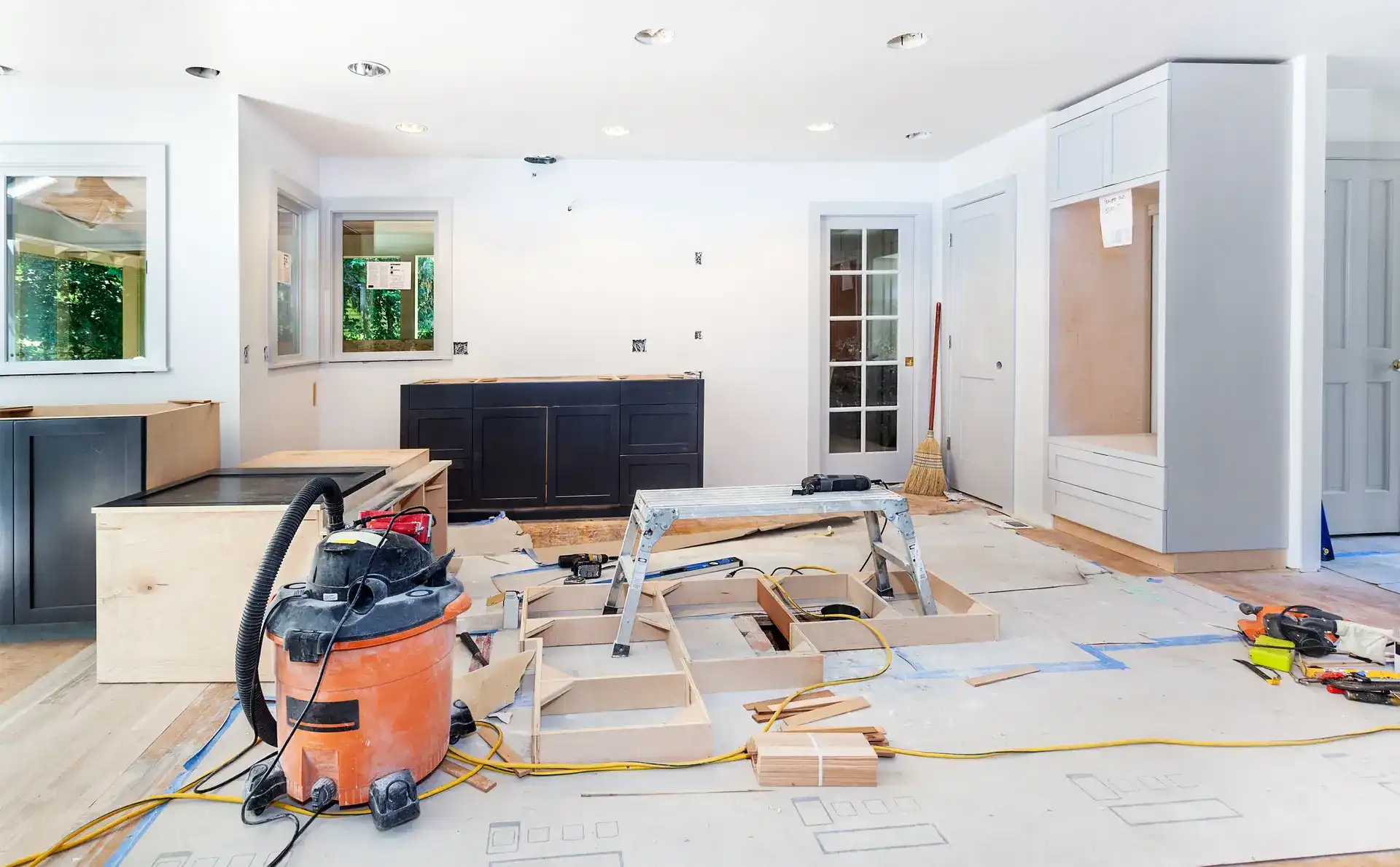
Start by defining what your renovation needs, then compare contractors based on similar project experience, scope of work, estimates, timelines, communication, and previous work. Ask about anything that is unclear before making a decision.
Look for experience with projects similar to yours and review previous work and customer feedback where available. A contractor who provides a clear scope, explains the estimate, and communicates openly can make the planning process much easier.
Look at relevant experience, the level of detail in the estimate, communication, project planning, timeline, previous work, and how changes will be handled. These details help you understand what to expect once the renovation begins.
A renovation quote should clearly describe the proposed work and the main costs involved. Depending on the project, this may include labour, materials, demolition, preparation, installation, finishing, disposal, and other agreed services.
Compare the full scope of each proposal rather than looking at the final price alone. Consider experience, included work, materials, timeline, communication, previous projects, and the process for handling changes.
Ask about similar projects, who will manage the renovation, what is included in the estimate, expected timing, how updates will be communicated, and how unexpected issues or changes will be handled.
Talk to our team about a kitchen, bathroom, basement, or a fuller renovation plan for your home in the Lower Mainland.