
Drywall Ceiling Repair
Drywall ceiling repair is usually needed when you notice cracks, water stains or a section that has started to sag. This guide explains what causes each problem, how it is normally fixed, and when it is time to call a professional.
Request a Free EstimateCommon Ceiling Drywall Problems
Ceiling drywall can be damaged by age, poor installation, moisture or normal movement in the home. Overhead repairs are harder than patching a wall, since the sheets need solid support and a smooth ceiling shows every small flaw once it is painted.
Most ceiling damage falls into three groups: sagging sections, water stains and cracked seams. Each has a different cause and needs a different fix. For homes in Surrey and the Lower Mainland, Citified Planning & Construction Ltd. handles drywall repair and taping and can assess the ceiling before any work begins.
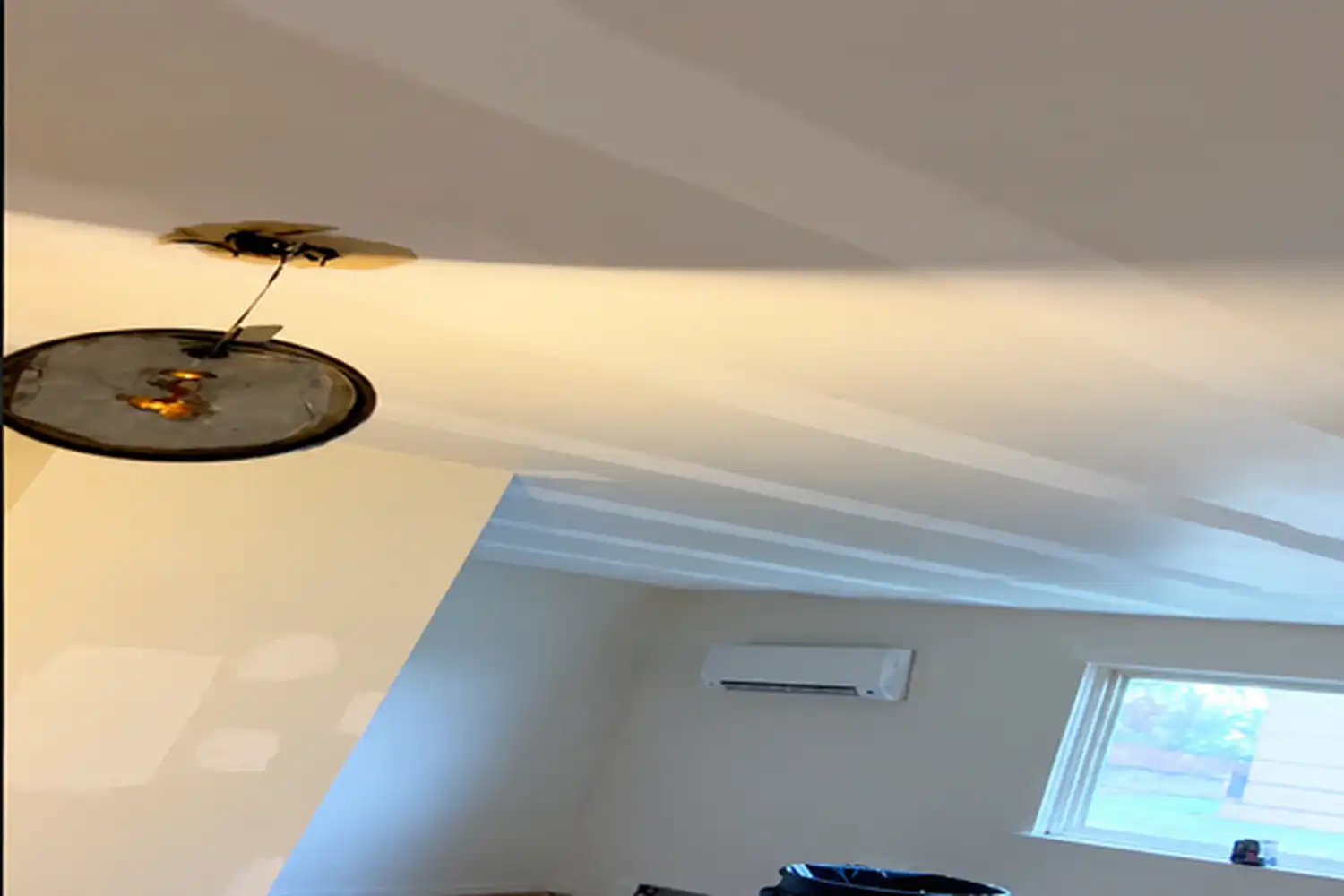
Sagging Ceiling Repair
What causes it
A ceiling sags when the drywall is no longer held tight to the framing above it. Loose screws or nails, weak support and heavy wet insulation are common reasons, and moisture over time can soften the board until it drops. When the sag is large, the sheet has often taken on water.
How it is fixed
The cause is checked first, and any leak or moisture is dealt with. If the board is still firm, it is screwed back to the framing, then taped, filled and sanded smooth. If it is soft or badly bent, that section is cut out and replaced with new drywall. Painting over a sag only hides it for a short time. Until the repair is done, avoid standing under a ceiling that is visibly sagging.
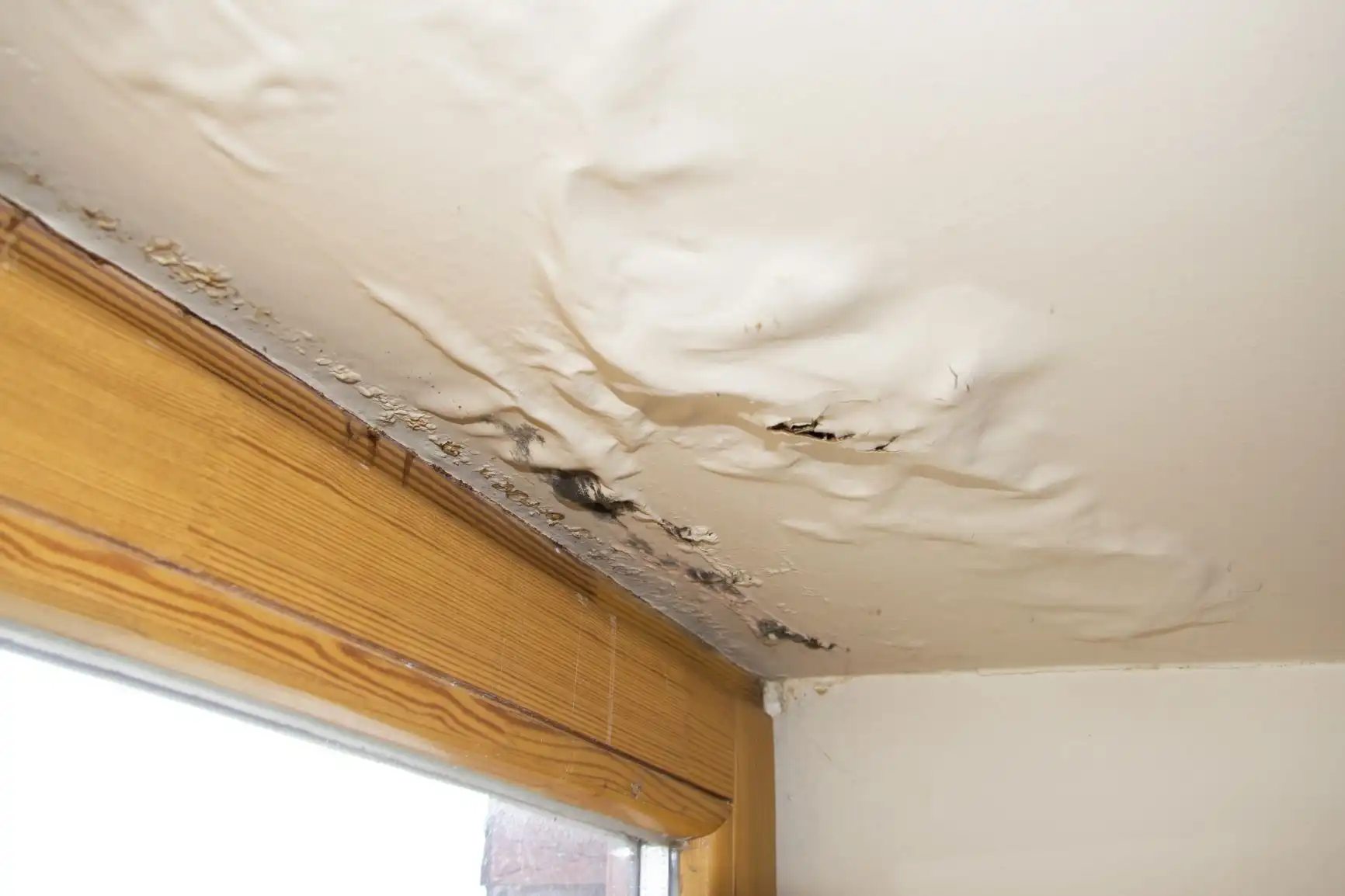
Water Stained Ceiling Repair
What causes it
Brown or yellow marks on a ceiling usually point to a roof leak, a leaking pipe or moisture from a bathroom above. The stain only shows where the water reached the surface, and the drywall behind it may be softer or weaker than it looks.
How it is fixed
The leak has to be stopped and the area fully dried before any repair starts. Damaged drywall is then cut out and replaced, or patched if the board is still firm. A stain blocking primer goes on before paint, since many stains show through ordinary paint and come back. If there is mould or the drywall feels soft, get the area assessed before repairing it.
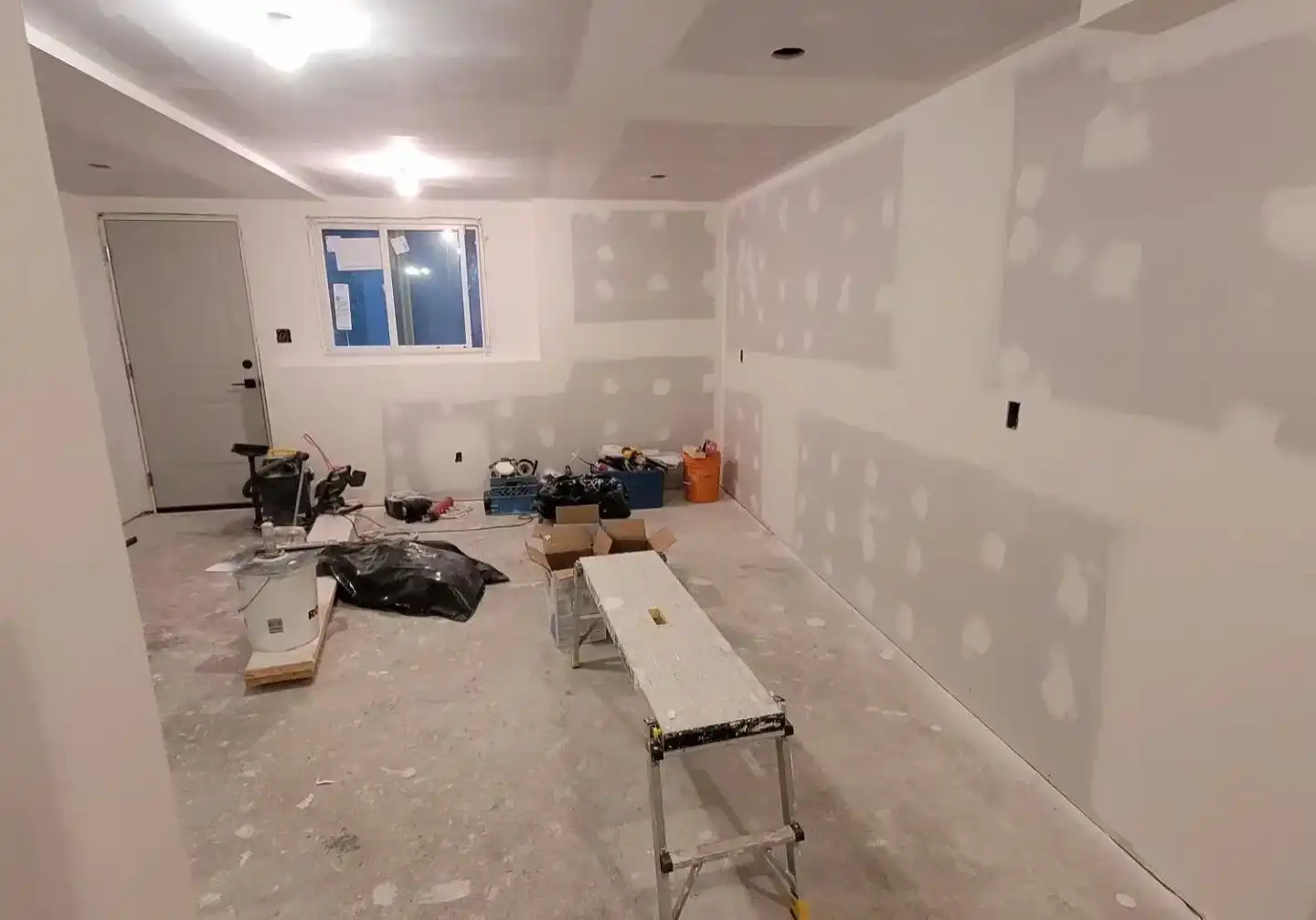
Cracked Seams and Ceiling Cracks
What causes it
Cracks that follow straight lines usually sit on the joints between drywall sheets. They can appear as a home settles, as the seasons change, or when the original tape and compound were not applied well. A thin crack filled with a quick patch often returns within months.
How it is fixed
A lasting repair removes loose compound, re tapes the seam, and builds up thin coats that are feathered wide so the joint disappears into the ceiling. After sanding and priming, the area is ready for paint. For a small hole rather than a crack, this guide to repairing a hole in drywall shows the basic process, though ceilings are less forgiving than walls.
Repair or Replace the Ceiling Drywall?
Patching makes sense when the damage is small, the drywall is dry and firm, and the problem is on the surface, such as a hairline crack, a nail pop or a small dent.
Replacement is the better choice when a section is sagging, soft or wet, when there is mould, when the damaged area is large, or when the same spot keeps failing after repairs. Cutting out and replacing the board costs more effort up front, but it avoids a patch that fails again. A professional can look at the area and tell you which route fits.
What Affects Ceiling Repair Cost
Ceiling repairs are priced job by job, because no two ceilings are damaged in the same way. These are the main factors:
- The size of the damaged area and how many spots need work
- Whether the drywall can be patched or a section must be replaced
- Water damage, and whether the source of the leak is already fixed
- Ceiling height and how hard the area is to reach
- The ceiling texture and how closely the repair must match it
- Painting and finishing needed after the repair
The most reliable way to get a clear price is a site visit. You can request a free estimate for your ceiling and the repair will be explained step by step.
When to Call a Professional
A small surface crack may be a manageable weekend job. A professional is worth calling when the ceiling is sagging, cracks are large or keep returning, stains suggest a leak, or an earlier repair looks uneven. If the ceiling is part of a bigger update, general renovation and finishing work can cover the surrounding rooms too, and examples of recent projects show how finished jobs look.
Need Your Ceiling Looked At?
Tell us what you are seeing and we will explain the repair, whether that is a seam, a stain or a full section.
Request a Free EstimateFAQs
Visible cracks, sagging areas, water stains or damaged seams are common signs that ceiling drywall may need repair. If the same issue keeps returning, it is worth having the area properly assessed.
Yes, depending on the condition of the drywall and the reason for the sagging. A professional can assess the affected area and determine whether it can be secured and repaired or whether part of the drywall needs to be replaced.
Cracks often develop along drywall seams as the home settles or as the joint between sheets becomes damaged. Recurring cracks may require more than simply filling the visible line.
In many cases, yes, once the source of the moisture has been stopped and the area has dried. The drywall should be assessed first to decide whether it can be repaired or needs to be replaced, and a stain blocking primer is used before painting.
Yes. It is the same material most people simply call drywall, so the repair methods are the same: securing loose boards, replacing damaged sections, taping seams and finishing the surface smooth.
Small repairs may be manageable for someone with the right experience, but ceiling work is more challenging than wall work. For sagging drywall, recurring cracks, water stains or larger damaged areas, professional repair helps make sure the work is done properly.
Ready to Fix Your Ceiling?
Talk to the team about ceiling repair, drywall taping or a wider renovation plan for your home.