
Understanding the Project
The first step is getting a clear picture of what needs to change by reviewing the existing property and understanding what the finished space should accomplish.
Renovating a property usually starts with a reason: a home no longer suits the family living in it, an older space needs updating, or a commercial property needs to work better for the people using it. A professional renovation contractor helps turn that reason into a practical plan.
Rather than treating each part of the project as a separate job, the renovation is planned as one connected process, coordinated from the first conversation through to the finishing details.
Request a Free Estimate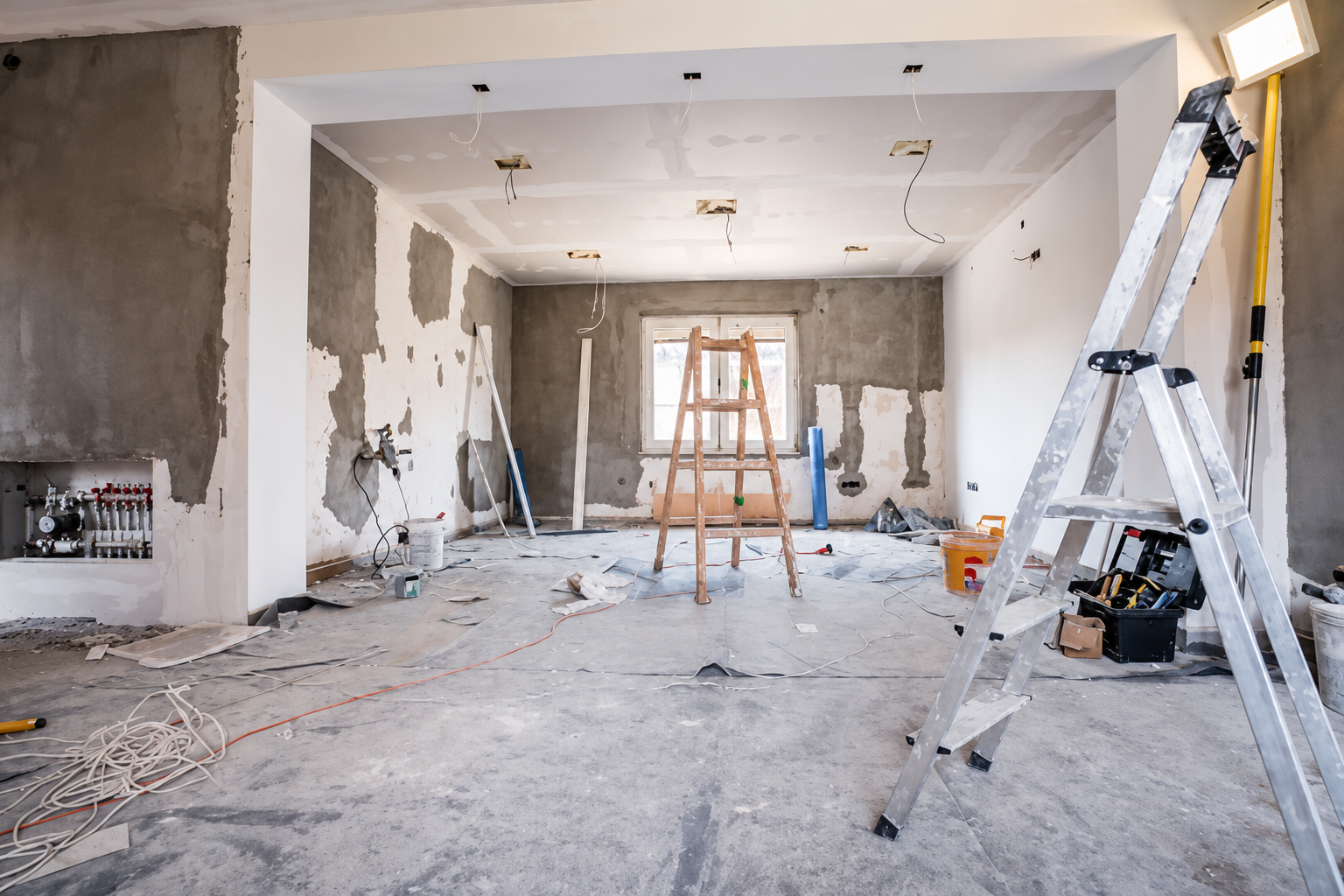
Every property has its own character, condition, and requirements, so renovation should start with the space itself rather than a fixed list of changes.
Before work starts, it helps to understand what isn't working, what needs improving, and what the finished space should feel like. A homeowner might want better use of existing rooms, while a business owner may care more about how customers or employees move through a commercial space. The same approach won't necessarily suit every property.
Planning also means thinking ahead. When several areas change at once, decisions in one part of the project can affect another, and materials, finishes, walls, and floors may need to work together.
For example, replacing older flooring means considering how the new surface will meet adjoining rooms and whether the existing floor needs preparation first. Looking at different flooring options and how they work within a renovation can help with those decisions.
The first step is getting a clear picture of what needs to change by reviewing the existing property and understanding what the finished space should accomplish.
Once requirements are clear, the project is organized in detail and divided into stages, with certain tasks completed before others can begin.
The construction stage turns the plan into physical work, with different trades coordinated at different points depending on the project.
Finishes, fixtures, and surfaces come together to create the finished result, followed by a final review of any remaining work.
A renovation contractor coordinates the work required to turn a renovation plan into a completed project. Depending on scope, the role can involve planning, scheduling, construction coordination, and managing the different stages of the renovation.
This is especially useful on projects involving several types of work: instead of the property owner organizing every stage independently, the project runs through one overall plan with a clear point of coordination.
Existing properties can also reveal issues once work begins, such as wall damage or an older ceiling needing attention before new finishes go in. Understanding how ceiling and drywall conditions can affect the next stage of a renovation helps keep the project realistic.
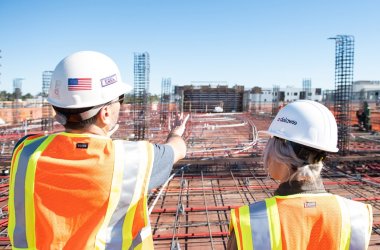
A renovation involves more moving parts than most people expect: different trades, materials, deliveries, construction stages, and decisions. Planned separately, these elements can cause delays or misunderstandings elsewhere in the project.
Not every project follows an identical schedule. Existing properties can reveal unexpected conditions, and decisions may change during construction. What matters is having a process for handling that without losing sight of the overall project.
The same applies when a renovation uncovers moisture or water concerns. Before closing up an affected area again, it's important to understand where the moisture is coming from and whether the property needs additional protection against water entering below the finished space.
The right renovation services depend largely on the property and the reason behind the project. In both cases, the goal is meaningful improvement without losing sight of how the property will actually be used once finished.
A residential renovation can be as focused or extensive as the property requires, from improving one part of the house to addressing several areas at once depending on condition and changing household needs.
A useful renovation does more than change how a room looks. Improving storage, circulation, lighting, or the relationship between areas can make an existing home feel very different without changing everything about it.
Small details matter too. Properly preparing damaged wall areas before new finishes go on makes a noticeable difference. Repairing damaged wall areas before finishing work is an important part of the sequence.
Commercial spaces need to support the businesses operating inside them, which makes planning especially important. A commercial renovation may update an existing interior, improve its layout, or better suit a business's current needs.
Timing matters too, since work may need to be organized around business operations to minimize disruption.
Finishes are another consideration, since commercial walls and surfaces often see more everyday wear. The condition of interior surfaces before painting influences both preparation and the final result.
Choosing a contractor is an important part of preparing for a renovation. The right choice depends on the property type, scope of work, and level of coordination required, so it's worth discussing the project in detail before starting.
Experience with similar renovation projects helps too, since a contractor familiar with that type of work is better prepared to recognize its practical considerations.
Look beyond a list of individual tasks and consider how the whole project will be managed. For a closer look at what to consider when choosing a renovation contractor in the Lower Mainland, this covers the key points in more detail.
Most importantly, expectations should be clear before construction begins.
Before deciding on finishes, layouts, or individual improvements, ask a more basic question: what should the renovation actually accomplish? For a home, that may be better everyday functionality; for a commercial property, a space that better supports the business.
Some projects involve several types of improvements across a property. In those cases, the work is easier to plan as one connected project rather than a collection of unrelated tasks.
Property condition matters here too. If drainage or moisture has affected the area around a foundation, that may need addressing before other renovation work continues. Understanding how foundation drainage can affect moisture around a property helps put those decisions in context.
A renovation contractor coordinates the stages involved in improving an existing property, which may include planning, scheduling, trade coordination, and finishing work.
Renovation services cover the work needed to update or improve an existing property, including residential renovation, commercial renovation, interior improvements, construction, and finishing.
Yes. The approach depends on how the property is used, its existing condition, and the scope of the planned work.
Start by identifying what isn't working with the existing space and what you want the renovation to accomplish, then discuss the property's condition and the order of work.
There is no standard timeline. Duration depends on project size, property condition, materials, scheduling, and the number of trades or stages required.
Planning establishes what needs to be done and how the different parts of the project fit together, and can flag existing conditions to address first.
Yes. Larger projects can involve several trades, and coordinating them matters since the timing of one stage can affect what happens next.
Ask about scope of work, project stages, scheduling, communication, materials, and what's included, plus experience with similar properties.
Yes. Residential renovation is planned around the people living in the property, while commercial renovation also considers business operations and customers.
It should address the reason the project was started, whether that's better functionality, improved use of space, updated finishes, or a combination of these.
Talk to the team about the needs of your home or commercial property and the work involved in bringing the project together.